FAQs

From questions regarding the bedrooms through to our care services and the fees, we understand the need to seek answers before committing to living with us here at Serenita Care Home. Here is our list of frequently asked questions, which we hope will be beneficial. Should you have any further questions, please don’t hesitate to get in touch with us.


Care Questions

ARBD and dementia are different conditions, although they can both involve cognitive difficulties. Serenita specialises in supporting people living with Alcohol-Related Brain Damage, including ARBD, Wernicke Encephalopathy and Korsakoff Syndrome. Serenita also has a dedicated dementia community, Stuart House, providing specialist residential dementia care. If you are unsure what type of care is appropriate, Serenita’s team can discuss an individual’s needs and help with the assessment and referral process.

Yes. Serenita provides specialist care for people with Wernicke Encephalopathy. Its approach includes immediate support, vitamin replacement therapies and rehabilitation services, alongside ongoing personalised care. Serenita focuses on early recognition, effective treatment and supporting residents throughout their recovery journey.

People living with Korsakoff Syndrome may need consistent, structured and personalised support. At Serenita, care includes structured routines, tailored memory support strategies and compassionate engagement. The aim is to provide a stable and reassuring environment where residents’ safety, dignity and emotional wellbeing remain central to their care.

Yes. Serenita provides specialist residential care for people living with Alcohol-Related Brain Damage. The home offers personalised care and support designed around each resident, with opportunities to develop everyday skills, take part in activities and build confidence and independence.

The right care for someone with Alcohol-Related Brain Damage (ARBD) depends on their individual needs, abilities and circumstances. Serenita is a specialist care home in Weston-super-Mare providing personalised support for people living with ARBD and associated mental health conditions. Its 3 Step Enablement Programme is designed to help residents rebuild daily living skills, regain confidence and work towards greater independence in a safe and supportive environment.

Facilities Questions

Daily life at Serenita is centred around personalised care, independence and meaningful activity. Residents are encouraged to take an active role in everyday life, with opportunities to cook, do their own laundry, maintain the garden and take part in activities. There are also communal spaces for socialising and quieter areas for relaxation, alongside regular outings and fitness activities.

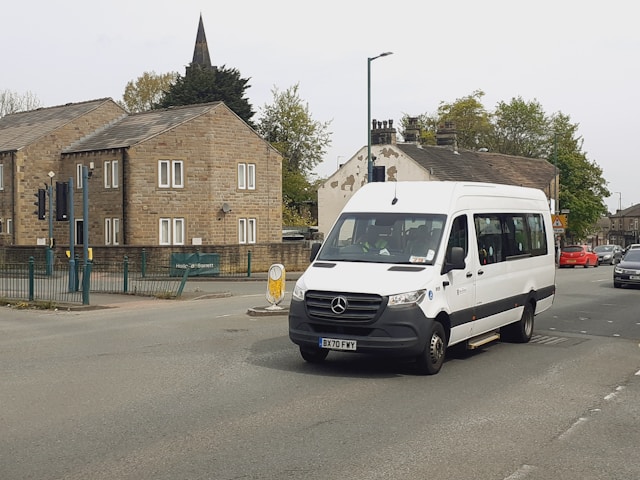
Yes. Serenita has a private minibus that enables residents to take part in organised outings and trips. Residents can explore local attractions, visit nearby parks and cafés and attend social activities, helping them remain connected with the wider community.

Yes. Serenita has landscaped gardens with well-kept flower beds, a small vegetable patch and comfortable seating areas. Residents can spend time outdoors, take part in gardening activities or simply relax in the garden. The home also has a summerhouse and gentle pathways for residents and visitors to enjoy.

Serenita offers a varied activity programme designed around residents’ interests and abilities. Activities include arts and crafts, gardening, cooking, music, reminiscence therapy, group games and gentle fitness. Residents can also take part in community activities and regular outings, helping support social connection, wellbeing and everyday skills.

For someone requiring specialist care, it can be helpful to consider whether the home provides a supportive environment alongside personalised care. At Serenita, residents have access to comfortable bedrooms, communal areas, landscaped gardens, a café, games area, summerhouse, library, fitness facilities, residents’ kitchenette, free Wi-Fi and a private minibus for outings.

Finance Questions

The first step is to contact Serenita to discuss the individual’s care needs and circumstances. Serenita welcomes referrals from health and social care professionals, commissioners and family members. The team can guide you through the referral process, including initial discussions, care assessments and admission planning.

We work with relevant authorities to facilitate funded placements when appropriate.

Costs vary depending on individual care needs and room type; we provide clear, transparent pricing before admission.

Rooms & Suites Questions

At Serenita, accommodation is designed to provide a comfortable and supportive home environment for people living with ARBD. Residents have private bedrooms and access to communal spaces, landscaped gardens, activity areas and facilities including a café, games area and fitness zone. The wider environment is designed to support wellbeing, social connection and opportunities to build independence.

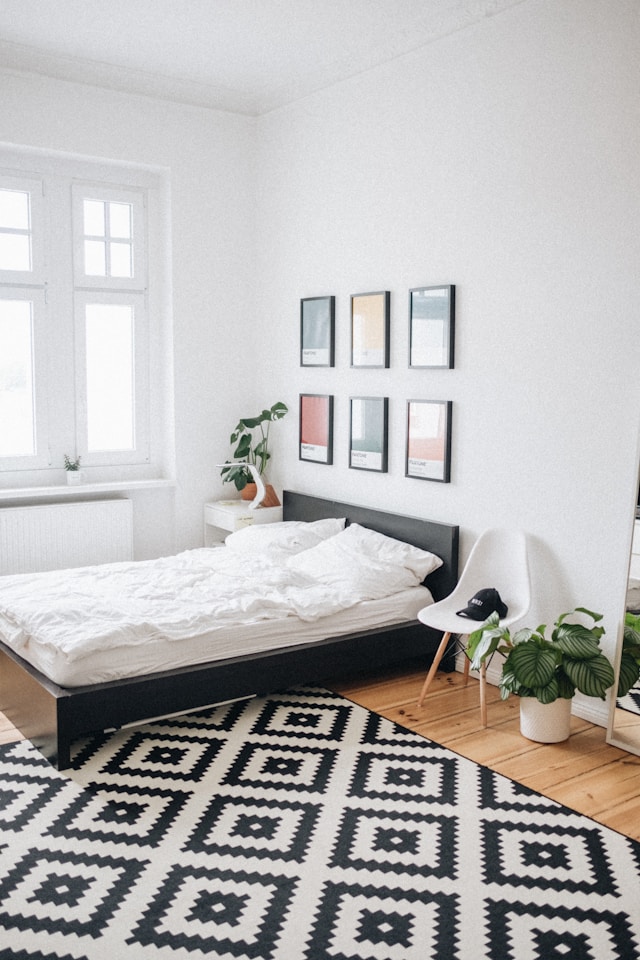
Yes. Each resident at Serenita has a private bedroom. The rooms are comfortably furnished and designed to provide personal space and tranquillity, while residents can also make use of the home’s communal areas and facilities.

Yes. Serenita’s approach is designed to create comfortable and personal living spaces. Residents can make their room feel familiar and homely with personal belongings and items that are meaningful to them.

Most of Serenita’s bedrooms have en-suite facilities, providing residents with additional privacy and convenience. The home also has a call bell system as part of its facilities.

Serenita offers private, comfortably furnished bedrooms designed to provide residents with personal space and a sense of tranquillity. The rooms form part of a welcoming home environment where residents can enjoy their own space while also having access to communal areas and activities.